It’s confusing because I read online some people say prone will take you way longer if you don’t learn how to surf first and then other people say it will be faster to skip surfing and go straight into prone.
Besides the above, is wake foiling behind a boat a good stepping stone before starting prone?
From what I’ve seen, the following progression is the easiest way to learn how to prone foil:
Tow foil behind a jet ski or boat with the foil you plan on using for prone foiling. Then get towed into waves.
Go learn how to dock start on a big dock start specific foil. Learning the skills on how to pump a big dock start foil will transfer directly to pumping a smaller prone foil.
Go prone foil and figure out the prone pop up. Do a lot of white water takeoffs.
Yes, the FliteLab Amp board will definitely help speed up your prone foiling progression. I’ve personally witnessed a beginner prone foiler who could only catch a couple waves per session on his 45L or so volume prone board.
Once he got the 4’8” Amp board, he immediately quadrupled the number of waves he was catching per session. He’s usually tired after 1hr and paddles in with plenty or battery left over.
I made an assistant that will help you answer this question, as it comes up very regularly (search “learn prone”) for the many threads. I guess you can’t surf and you don’t have waves?
Location, wave type, and knowing your goal make a big difference. If you have mellow slow mushy waves an assist will likely get you in them and riding - but know if your goal Is unassisted it’s still a ways off. I would say assisted is maybe going to get your skill set 25% of the way to real prone. Riding assisted is fun but I don’t consider it a fool proof stepping stone to unassisted prone. Unassisted prone is hard - even among people with a real surf and foil background the success rate isn’t great.
If you have real pitching powerful deep water energy waves I put your chances at slightly above 0 of transitioning to real prone from the assist - less than 0 for learning prone without a Stepping stone.
What’s your wind situation? Downwind and wind sports are MUCH easier than prone. Even with no wind I could see a viable path in tow/assist > flat water paddle up > DW sup/sup paddling into unbroken waves.
Unassisted Prone pop up is hard even for ppl with a surf reference point. Without any surf reference it might be close to impossible in real deep water waves. so if your goal is just foiling in waves without a battery then the SUP might be the way. If you don’t mind the battery plan on living with that assist for the foreseeable.
I can confirm that wingfoiling is much much easier than prone, but downwinding (SUP)? I haven’t put in the hours, but from what I’ve tried and read online, it’s even harder to learn than prone!
Point taken. But I still think it’s highly dependent on your local conditions. I think if you live someplace with a heavy pitching shore break and deep water energy, you’d be better off learning flat-water paddle ups and figuring out how to slip into unbroken waves than trying prone.
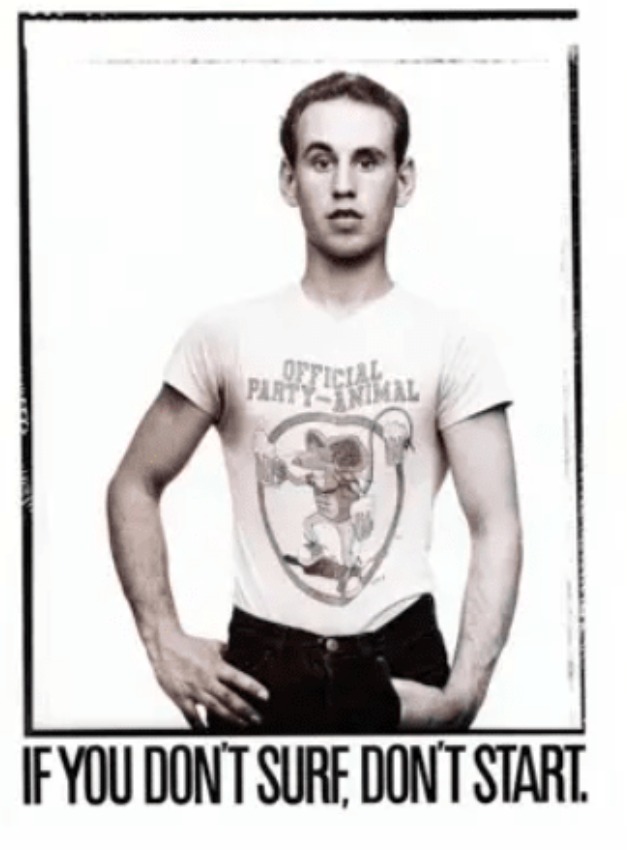
Look at this dude. Zero body fat 20 years old. Can flatwater sup start easily. But his chances of learning prone foil is just slightly above zero. How do you think you will fare if you can only ride an efoil? You need to basically get to his level first and then you are starting from zero. So basically impossible for you. I would suggest getting a foil drive though so you can at least learn to pump.
I’m a life long surfer. Learned to prone foil alone in 2018 when there were no guides and I’d never seen another Foiler in real life.
It can be done. You just have to want it and be able to find appropriate waves. I say it’s ten sessions of falling before you start to have success. Very important to learn how to fall safely.
Whatever gets you more time in foil will be beneficial. Prone foiling is one of the slowest ways to get time on foil.
He says at the top - not a surfer - I’m in the same boat, lifelong surfer, prior kite foil exp, learned in the early days of 2018 - honestly though I don’t know a single person - not a soul on the forum or in real life - who successfully learned prone without a surf background(I’m sure some people here exist who learned prone from winging etc I just don’t know them). And even for people with a surf background the success rate that I see is low - at my local surf only success rate (learn to foil) is probably 25%, wind/prior foil only success rate is lower(closer to zero) and people with surf and prior foil background it jumps up to 75% - and I have a mellow mushy slow wave that’s low consequence - perfect for learning to foil.
What is interesting is the assist crew is 100% success in catching and surfing waves like a prone foiler would… granted there is about 5% serious injury from prop, and almost certain CTE from all the whipper falls they seem to take. Foil drivers like to charge!
I’ve been in the water with guys who weren’t surfers that have learned. A repeatable wave with a mushy take off helps. White water take offs even easier if the wave is small enough. It’s doable. I just think other forms are easier. I don’t even prone anymore.
Cte means concussions right? Definitely a thing. Falling from two feet up while flying down the line. There are lots of fd injuries that are swept under the rug I bet. Few guys want to admit they did a dumb thing and got stitches because of it. Ive personally seen several instances of tow boogies run into people and no one talks about that either.
Flight lab requires you know the basics of surfing as at this point, there isn’t enough boost to get you up before the wave starts to throw. Foil Drive is the answer for a foiler who doesn’t know how to surf.
Prone is for surfers. An old big sup foil board would be my recommendation to learn how to ride waves on foil if you want to avoid the high cost of Foil Drive, or simply want to enjoy foiling without the complexity and weight of a battery. Sup foiling is more than enough fun.
Prone requires the most perfect conditions, the most honed foiing skills, and the most fitness. That said, you can prone an old big supfoil board into any small mushy wave and get the timing figured out and learn to pump a bit too then transition to a midlength which as a non surfer, would be near impossible to learn on.
I know of ONE guy that started prone without a surf background, but he was really good at snowboarding and had a lot of kite and then wingfoil experience. It can be done, but it’s definitely not for the faint of heart
If you don’t surf there’s a lot of stuff about lineup priorities and wave reading that’s way easier to sort out on a Wavestorm.
Me personally I surfed for 20 years before foiling and I found prone the most natural way to fly. Dragging behind a boat or diving a kite just doesn’t come as natural to me as popping up on a wave.
Seconding this. A bigger barrier than physically learning how to actually just surf a wave on a foil is probably just learning how to function properly (and respect/understand priority and safety) in a lineup of people. This becomes even more important since every surfer is a little afraid of you, and you don’t want to be the guy who gets escorted out of the water by a group of locals angry you endangered them or collided with them at their wave.
Worth it to spend at least a year learning to surf–it will help you so much.
Yes it’s long term continuous minor concussions (google sled head), it’s generally not well understood, but whiplash type falls are not good. This is my own theory. Idk if it’s a thing.
Serious injuries are I guess almost life altering injuries? A pile of stitches on the leg is a serious injury, same cut on face or the hand is life altering? Idk. That type of thing. I’m wary of propellers after messing around with the boogie and backpack